
Mahjong Pair: Matching Puzzle
Topy GamesBoard
4.9602.00 Reviews
- Version
- 1.7.0.20260522
- Installs
- 1.00M
- Age Rating
- Everyone
Screenshots
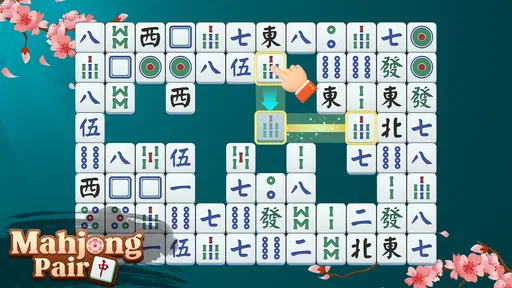
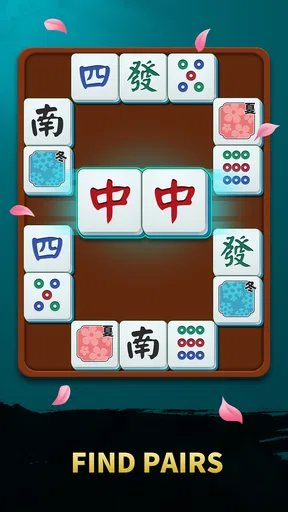
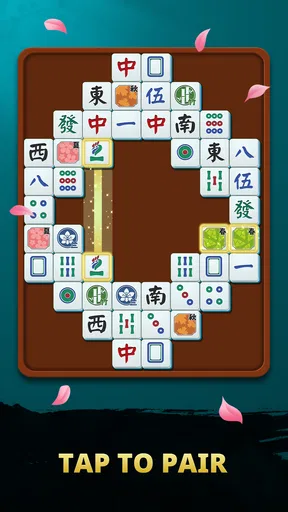
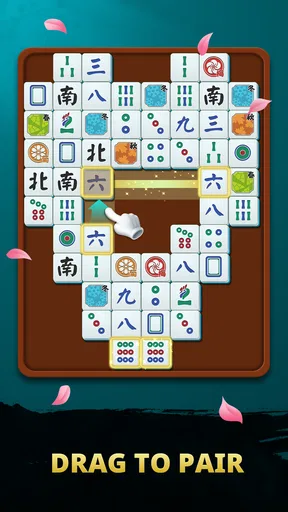
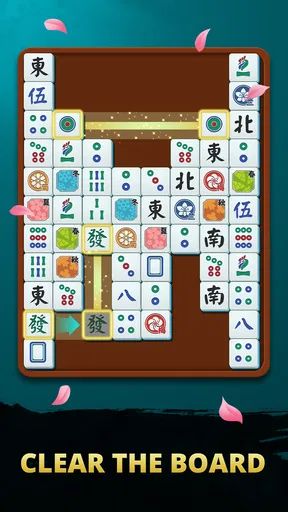
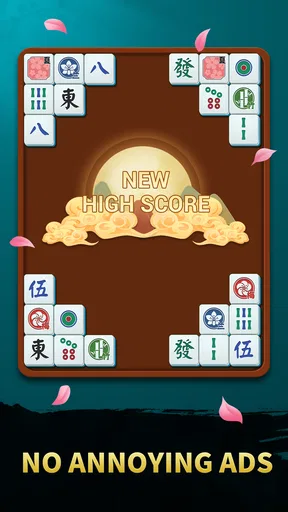
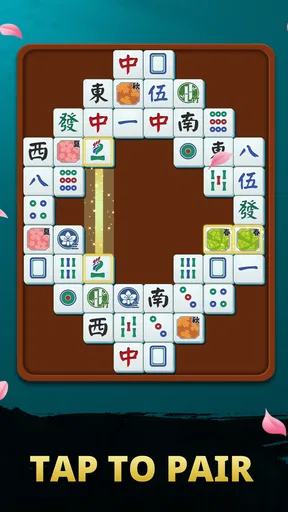
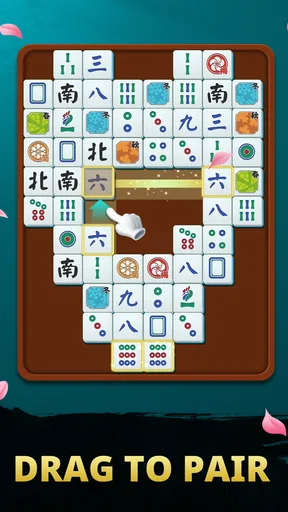
Our Review of Mahjong Pair: Matching Puzzle
 Analysis by Appyee
I approached Mahjong Pair: Matching Puzzle as the kind of game I could open without preparation, play for a few minutes, and put down again without feeling rushed. That first impression still holds. This is a free board game from Topy Games built around matching Mahjong tiles and clearing a layout, with a calm pace that suits short breaks better than long, demanding sessions.
The important thing for a first-time player is knowing what kind of Mahjong this is. It is not the traditional four-player game with betting, scoring hands, or turns against opponents. Here, the focus is visual recognition and planning: find two matching tiles that can be selected, remove them, and gradually expose the board underneath. That makes the experience easy to understand, but not automatically easy to solve.
I think the strongest reason to try it is its low barrier to entry. The game is rated for Everyone, costs nothing to start, and is available for devices running Android 6.0 or later. Its audience is clearly broad, and the reception reflects that: it has a 4.9 average from around 61 thousand ratings, alongside more than a million installs. Those figures do not replace personal experience, but they do suggest that the simple matching format has found a dependable audience.
What the first few minutes feel like
When I begin a board, I do not need to learn a long rulebook. The basic loop is immediately readable: inspect the arrangement, choose a matching pair, and work toward an empty board. That simplicity is useful when I am tired or distracted. I can understand the objective almost at once, then spend my attention on the order in which I remove tiles.
The first meaningful success usually comes from making a pair that opens a previously covered area. That moment is more satisfying than simply removing two obvious tiles, because it shows the central idea of the puzzle: every move changes what can be seen and what can be played next. I recommend looking beyond the easiest available match from the beginning. A pair may be legal now, but another pair could be more valuable if it frees a blocked tile or opens a narrow section of the layout.
This is where the game separates itself from a purely reflex-based matching title. I am not racing a moving target. I am reading the board, comparing symbols, and deciding whether a convenient match is worth taking immediately. The pace gives me room to think, which is why I find it more relaxing than most quick mobile games.
There is also a useful psychological rhythm to the board. Early moves tend to reveal possibilities, while later moves demand more careful checking because fewer choices remain. A player who removes pairs randomly can make the board harder to read, even when the individual selections are valid. I get better results by keeping a mental note of tiles that are partly hidden and treating open space as a resource rather than merely a visual result.
Starting without making the board feel complicated
For a new player, I would not try to memorize every tile immediately. Instead, I scan for repeated symbols and begin with pairs that are clearly available. Once one section becomes less crowded, I look again from the beginning. The board changes enough after each removal that an earlier scan quickly becomes outdated.
One small habit makes a noticeable difference: before selecting a pair, I check what its removal will uncover. If the two tiles are sitting in an area that blocks several others, they often deserve priority over a pair located at the edge. This is not a complicated strategy, but it turns the opening minutes into deliberate puzzle solving rather than a search for any two similar pictures.
I also avoid tapping rapidly. In a tile-matching game, speed can create mistakes because the eye jumps between similar symbols. A slower scan is especially helpful when several designs look alike at a glance. The game’s relaxed style supports this approach, and I never feel that I need arcade-game reflexes to make progress.
The first successful clear teaches the real lesson
Clearing a full board is the first point at which the game’s structure becomes clear. The satisfaction does not come only from finishing; it comes from seeing how earlier choices shaped the final stage. If I have kept the layout open and removed obstructing pairs thoughtfully, the ending feels controlled. If I have made convenient but shortsighted choices, the last part feels much tighter.
That makes the first completed puzzle useful even if it was not elegant. I can look back at where the board became difficult and identify the cause. Often the issue is not that I failed to recognize a symbol, but that I removed a pair without considering which tiles would remain inaccessible. This is a valuable distinction for beginners: the game rewards board awareness more than fast tapping.
For a short everyday session, I might play while waiting for an appointment or during a quiet break after work. I can start with no story or competitive commitment to remember, make progress at my own pace, and stop after a board without feeling that I have abandoned a larger task. That makes it a better fit for casual downtime than a strategy game that expects a long uninterrupted session.
How to read the board instead of guessing
The main confusion for newcomers is usually the word “matching.” Seeing two identical-looking tiles does not necessarily mean that selecting them is the best move. The useful question is whether the pair is currently accessible and what its removal will change. In practice, I treat every move as having two parts: the immediate match and the space it creates afterward.
I begin by identifying the most exposed tiles, then compare them with other visible copies. If a pair is easy to reach but sits on top of a crowded cluster, removing it can reveal more choices. If the same pair is positioned where it does not affect the rest of the layout, I may leave it for later. This simple priority system prevents the board from becoming a collection of disconnected guesses.
Another point that can surprise first-time players is how quickly visual familiarity develops. At the beginning, tile designs can blend together, especially when I am looking across the whole board. After a few deliberate scans, I start grouping them by shape and detail rather than trying to remember their exact position. I find it easier to track a promising pair by location—left edge, center, or upper layer—than by repeatedly searching the entire board.
When I reach a difficult section, I stop selecting and perform a full visual reset. I look at the remaining open tiles from one side to the other, then check which ones are covering others. This pause is more effective than repeatedly tapping the same area. It also keeps the experience relaxing, because I am solving the puzzle with attention rather than frustration.
Three practical habits that improve a session
- Open blocked areas first: when two possible pairs seem equally safe, I usually choose the one that exposes more of the board. The extra visibility often creates better options than an isolated removal.
- Re-scan after every important move: a newly uncovered tile can complete a pair that was impossible to see before. I do not rely on the plan I made before the board changed.
- Protect flexibility near the end: when only a few tiles remain, I avoid spending a useful match just because it is available. Keeping several accessible choices makes the final sequence easier to manage.
These habits are not advanced systems hidden behind a menu; they are ways of using the board more intelligently. They also explain why the game can remain engaging after the rules become familiar. The challenge comes from arranging a good order of decisions, not from learning a growing list of mechanics.
What can feel limited
The same simplicity that makes Mahjong Pair welcoming can also make it feel narrow for some players. If I want a story, character progression, online competition, or a large collection of different game modes, this is not where I would look. Its appeal depends on enjoying the central tile-clearing loop and the quiet concentration around it.
Players who prefer traditional Mahjong may also need to adjust their expectations. This is a solo matching puzzle rather than a simulation of the classic table game. Someone looking for hand-building, opponents, or strategic scoring would be better served by a traditional Mahjong app. In contrast, someone who wants a clean visual puzzle with no need to study formal rules may find this version much easier to enter.
The game can likewise feel repetitive if I play for a long stretch without a break. I think it works best in focused intervals. A few boards can be calming, while an extended session may expose the limited nature of the core activity. That is not a deal-breaker for me, but it is an important trade-off before installing: this is a focused puzzle, not an all-purpose entertainment package.
Choosing the right place for it in your routine
I would recommend it to first-time puzzle players, casual board-game fans, and anyone who likes a quiet activity that can be understood quickly. It is especially suitable for people who do not want timers, complicated instructions, or a competitive learning curve. The Everyone age rating also makes its presentation approachable for a wide audience, although each person will still have different preferences for tile-based puzzles.
I would be more cautious about recommending it to players who need constant novelty. If your ideal mobile game changes objectives every few minutes, offers deep customization, or builds toward a large long-term campaign, the focused design may not hold your attention. The same is true if you specifically want multiplayer Mahjong. In those cases, a traditional Mahjong title or a broader puzzle collection would probably be a better match.
For someone installing it for the first time, the practical path is straightforward. Start with a board when you have a few uninterrupted minutes, learn the visual language of the tiles, and aim first to understand how clearing one pair changes the available space. Do not judge your skill by how quickly you make the opening moves. The more meaningful measure is whether your choices leave the board easier to read.
The current version is 1.7.0.20260522, and the game was released on March 9, 2025. I mention those details because they help identify the edition a reader is considering, but they do not change the basic recommendation: check that the device meets the Android requirement, then approach the first board as a calm logic exercise rather than a speed challenge.
One of my favorite ways to use this kind of game is as a transition between activities. After finishing a demanding task, I can play a board that asks for attention without demanding emotional investment. The matching process gives my mind something concrete to organize. It is also a reasonable option for a short waiting period because I can focus on one board instead of beginning a game that expects a lengthy commitment.
The developer, Topy Games, has kept the identity of the experience centered on the board itself. That focus is both its strength and its boundary. I do not come to it for a rich world or a social layer; I come to inspect patterns, make careful removals, and enjoy the gradual clearing of the layout.
After spending time with it, my view is positive but specific. Mahjong Pair: Matching Puzzle works best as a calm, accessible matching game rather than as a complete Mahjong simulation. It gives a beginner a clear route from the first tap to a genuine puzzle success, while offering enough positional decision-making to reward more thoughtful play.
If you want a free board game for quiet breaks, I think it is an easy one to try. Begin slowly, prioritize pairs that open the board, and rescan after every major removal. If you want competition, traditional rules, or a much wider range of systems, choose another category of Mahjong game instead. For everyone else, this is a focused little puzzle that earns its place through clarity, patience, and the simple pleasure of watching a crowded board disappear.
Verdict
Strengths of Mahjong Pair: Matching Puzzle
- Relaxing gameplay suitable for short or extended sessions.
- Simple matching rules make it easy for beginners to start.
- Multiple tile layouts provide variety beyond standard boards.
- Helpful hints can assist when no obvious match is visible.
- Offline play is convenient when traveling or without mobile data.
Limitations of Mahjong Pair: Matching Puzzle
- Some levels may feel repetitive after extended play.
- Hint and shuffle features may be limited or require rewards.
- Small tile designs can be difficult to distinguish on phones.
- Progress may depend heavily on completing increasingly similar boards.
- Advertisements can interrupt the flow between puzzles.
Other Releases by Topy Games
View All

Spelling Quiz - Word Trivia
Word4.8

Trivia Master - Word Quiz Game
Trivia4.5

Gin Rummy: Classic Card Game
Card4.9
Similar Picks in This Category
View All
Ludo King®
Gametion4.1

Ludo
Yarsa Games4.6

Tile Master® - Matching Game
Higgs Studio3.6

Checkers Online
CC Games4.6

Dominoes
Loop Games4.7

Chess
Chess Prince4.6
Frequently Asked Questions
What is Mahjong Pair: Matching Puzzle?
Mahjong Pair: Matching Puzzle is a casual tile-matching game based on the classic mahjong solitaire format. You clear the board by finding and pairing identical tiles, usually while working within a limited layout or time-based challenge. It is designed for short, relaxing sessions, although later levels can require careful planning, visual attention, and a little patience to avoid blocking useful tiles.
How do you play Mahjong Pair: Matching Puzzle?
To play, tap two matching tiles that are available for selection and remove them from the board. A tile is generally considered available when it is not covered by another tile and has enough open space on at least one side, depending on the level rules. The goal is to clear every tile, so choosing pairs in the wrong order can leave important matches inaccessible.
Can Mahjong Pair: Matching Puzzle be played offline?
The core puzzle experience is generally suitable for playing without a continuous internet connection, which makes it convenient for travel, commuting, or relaxing away from Wi-Fi. However, some features may still require internet access, including advertisements, cloud-related services, updates, promotional events, or optional purchases. It is best to launch the game once online before relying on it completely offline.
Is Mahjong Pair: Matching Puzzle free to download?
Mahjong Pair: Matching Puzzle can typically be downloaded at no initial cost, allowing players to try the main matching puzzles before spending money. Free versions may include advertising, optional boosters, extra lives, hints, or other in-app purchases. Pricing and available features can vary by device, region, and store version, so check the official listing before downloading or making a purchase.
Is Mahjong Pair: Matching Puzzle suitable for children and beginners?
The straightforward matching mechanics make Mahjong Pair: Matching Puzzle accessible to beginners and many younger players, especially those who enjoy visual puzzles and simple touch controls. Nevertheless, parents should review the store age rating, advertising policy, and in-app purchase settings before handing over a device. Some advanced boards may also become challenging, requiring concentration rather than relying only on quick matching.
Play our best games!


